Kenya’s fuel sector is facing renewed scrutiny after industry players raised concerns that the country lacks a fully developed petroleum industry, operating instead as a distribution network dependent on foreign suppliers, a gap they say exposes the economy to risk.
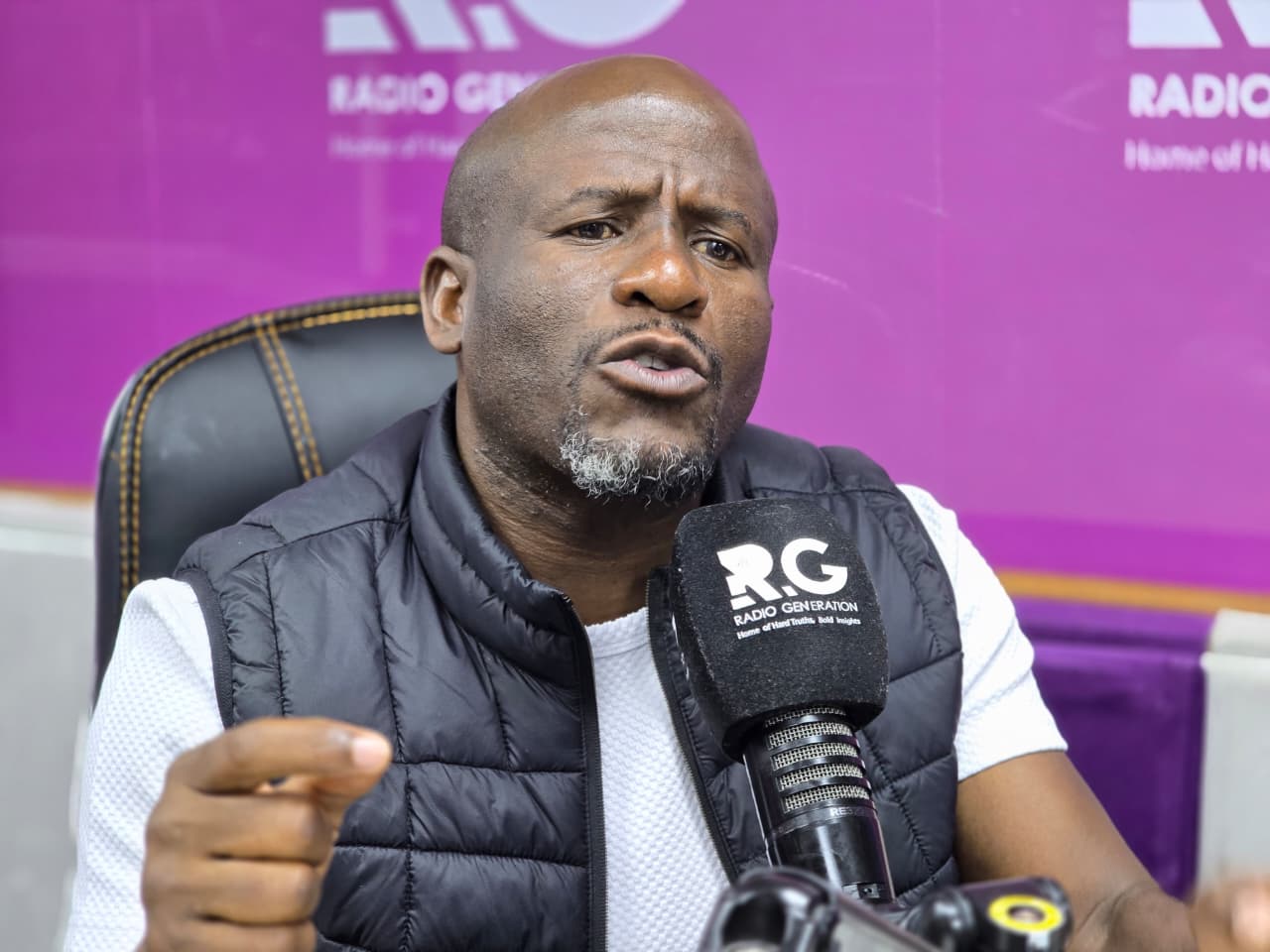
Chairperson of the Petroleum Outlets Association of Kenya, Martin Chomba, said the country’s setup is largely built on importation and movement of fuel rather than production or refining, leaving it exposed to external shocks and weakening long-term energy security.
Speaking on Radio Generation on Tuesday, Chomba said the State’s role in the sector is mainly to facilitate and guarantee supply arrangements, rather than directly own or control petroleum resources.
“The Government of Kenya does not own even one litre of petroleum,” he said, adding, “what we have in Kenya is not a petroleum industry, it is a petroleum logistics industry.”
He explained that Kenya’s role is limited to handling fuel once it arrives at the port of Mombasa, moving it through pipeline systems and distributing it to different parts of the country for consumption.
Chomba noted that fuel imports are largely handled through agreements involving firms from Saudi Arabia, Abu Dhabi and Dubai, with the government stepping in to guarantee transactions due to the strategic importance of fuel.
“Petroleum is a national security issue. It is the blood that runs the body called the economy,” Chomba noted, emphasizing that any disruption in supply could have crippled economic activity.
He said before the introduction of the government-to-government arrangement, oil marketers depended on the open tender system, where firms sourced fuel based on pricing and supply capacity. However, this system created heavy demand for dollars, putting pressure on the local currency.
“Every morning, people were scampering for dollars… and that’s how we ended up with the Kenya shilling weakening significantly,” he said.
According to Chomba, the current G-to-G framework has helped ease this pressure by allowing deferred payments through letters of credit supported by government guarantees.
“What they had done in the immediate was to ease the pressure of mopping up dollars in the economy,” he explained, adding that importers now have up to six months to settle payments, reducing the need for immediate foreign currency.
Even so, he maintained that the arrangement only offers temporary relief and does not fix deeper structural challenges within the sector.
He stressed that Kenya must move towards reducing reliance on external suppliers while improving how national institutions are run.
“Hope is not a strategy. Hope is not a plan. There has to be empirically proven steps that you can call a plan,” he said.
Chomba added that progress will depend on running public entities with the same level of efficiency and accountability seen in private firms, warning that failure to reform will leave the country dealing with repeated disruptions.
His remarks come at a time when the government continues to assure the public that fuel supplies are stable despite concerns over shortages and rising pump prices.
Energy Cabinet Secretary Opiyo Wandayi on Monday told the National Assembly’s Energy Committee that the country has enough fuel stocks to meet demand in the short term.
“I want to assure Kenyans that there is no shortage of fuel. As of today, we have 183,318 cubic metres of petrol and 152,750 cubic metres of diesel.” he said.
“There is no shortage of fuel in the country. If there is any shortage, it has been caused by oil market players,” Wandayi added.































Comments
Sign in with Google to comment, reply, and like comments.
Continue with Google